Product Summary
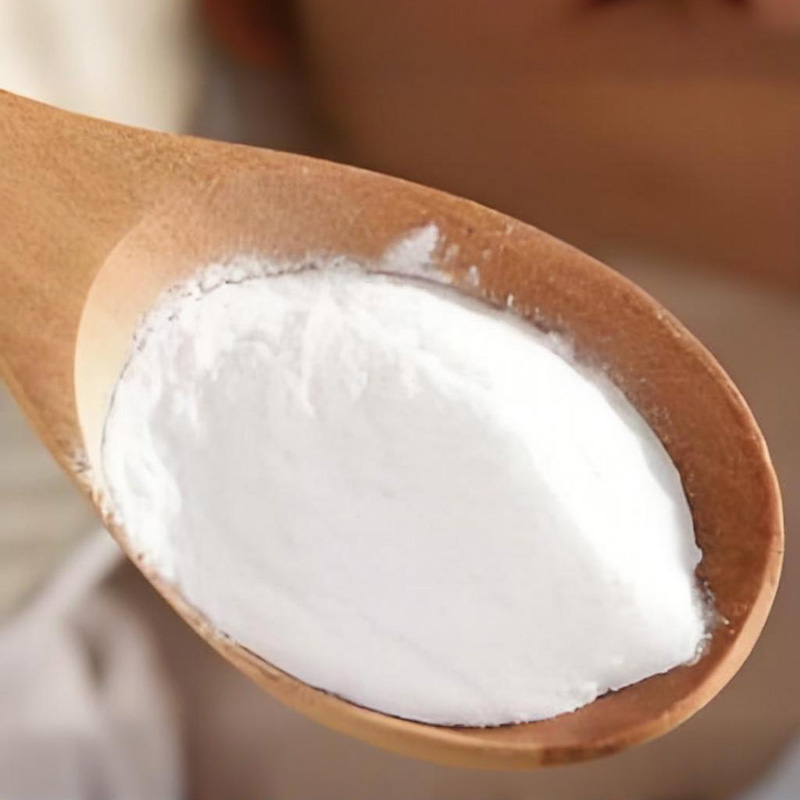
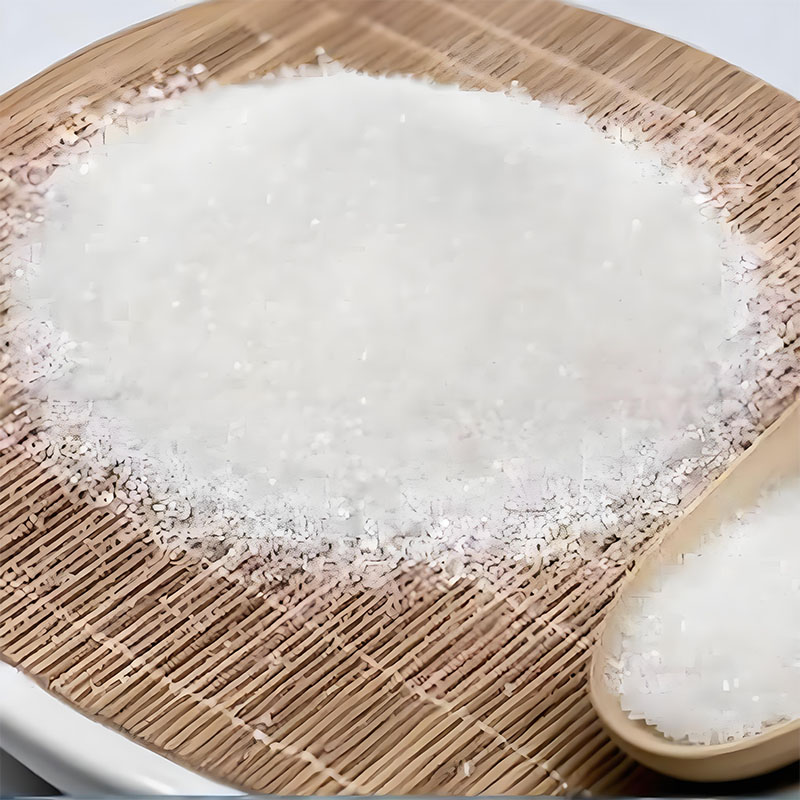
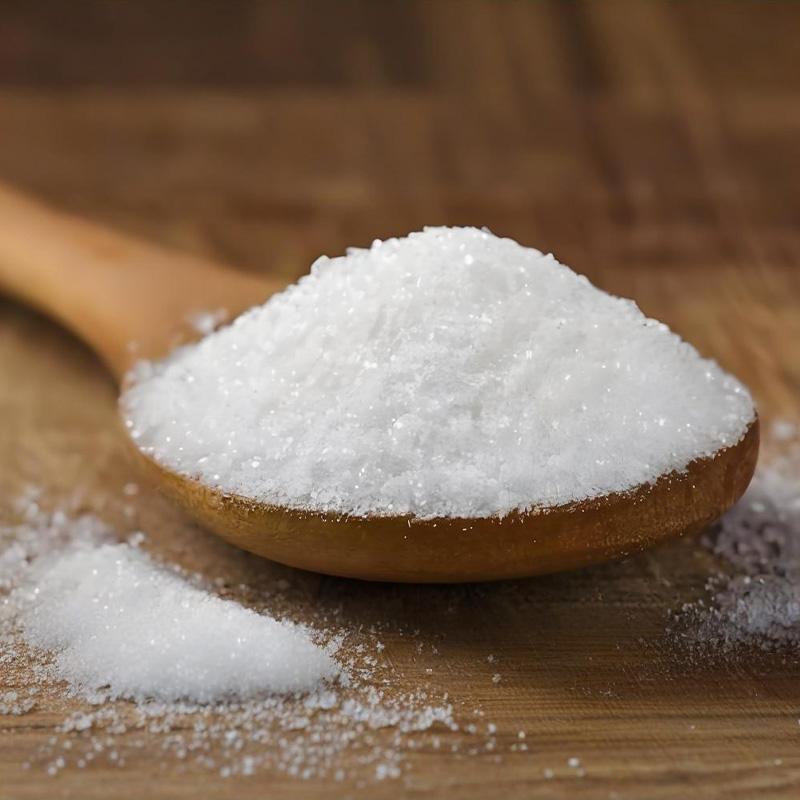
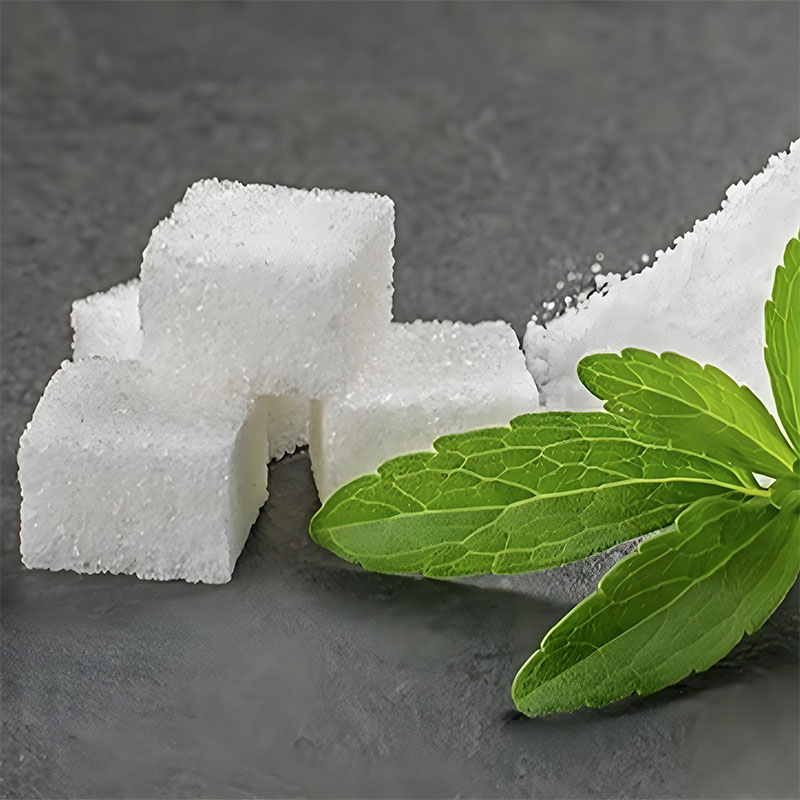
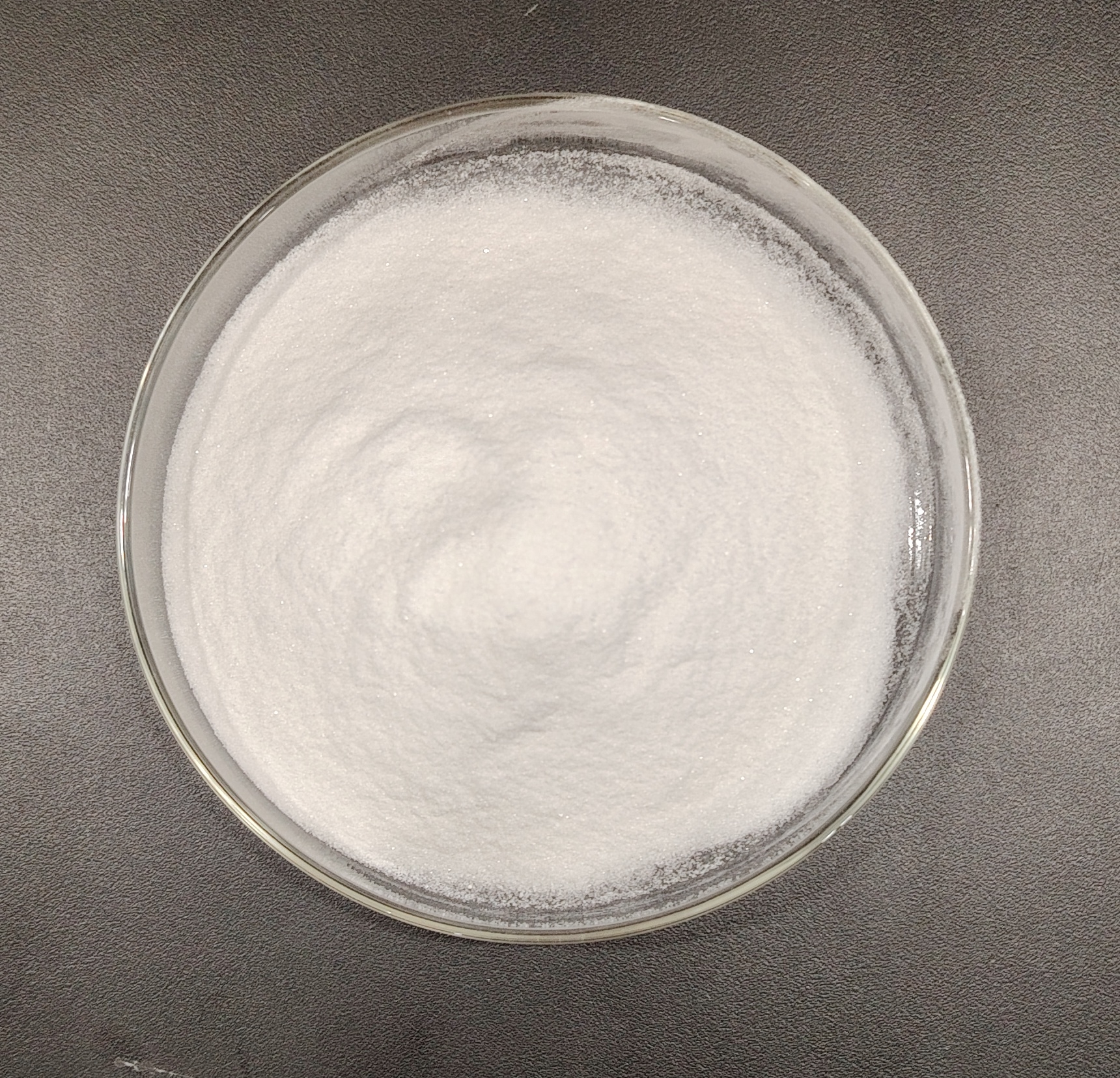
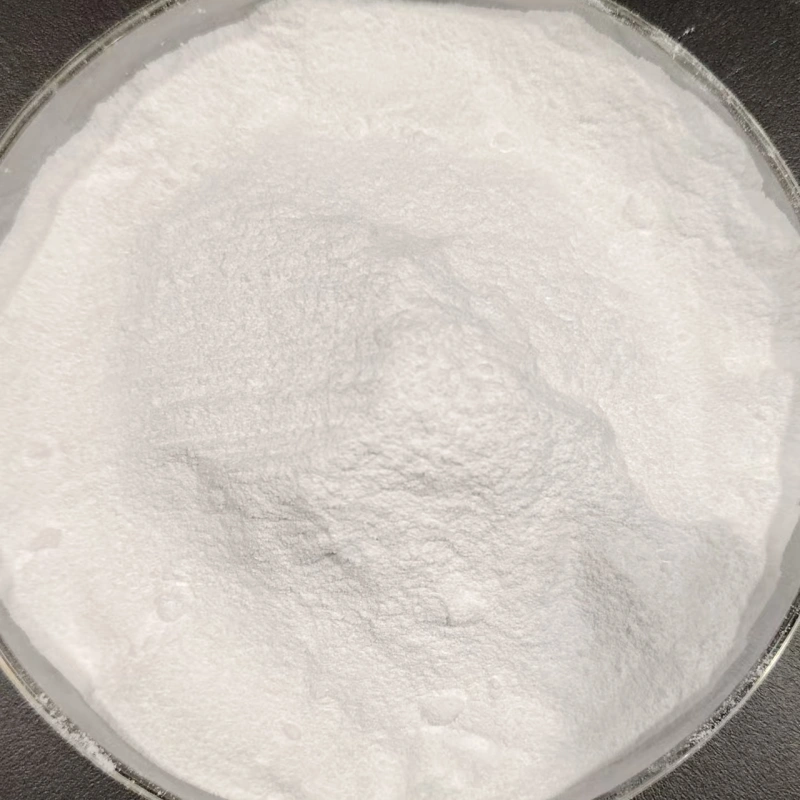
Erythritol is a natural, low-calorie sugar alcohol used as a sweetener in a wide range of food and beverage applications. It provides approximately 70% of the sweetness of sucrose (table sugar), but with nearly zero calories, making it ideal for sugar-free and reduced-calorie products. Erythritol is used in food, pharmaceuticals, and personal care products due to its ability to mimic sugar’s sweetness without the adverse effects on blood sugar levels. It is produced through a natural fermentation process and is known for its excellent solubility, stability, and safety profile. Its unique properties make it a popular choice in the formulation of functional foods, beverages, and sugar alternatives.
Introduction
Erythritol is a naturally occurring sugar alcohol, primarily derived from glucose through a fermentation process. It is widely recognized for its low-calorie content, being absorbed into the body but not metabolized for energy. As a sweetener, erythritol provides the clean, pleasant sweetness of sugar, but without the added calories, making it a perfect ingredient for diabetic-friendly, low-calorie, or weight-conscious products. Due to its favorable properties, erythritol has found extensive use in the food, pharmaceutical, and cosmetic industries. It is a preferred ingredient for manufacturers looking to offer healthier alternatives without sacrificing taste or product integrity.
Specification
| Item | Specification |
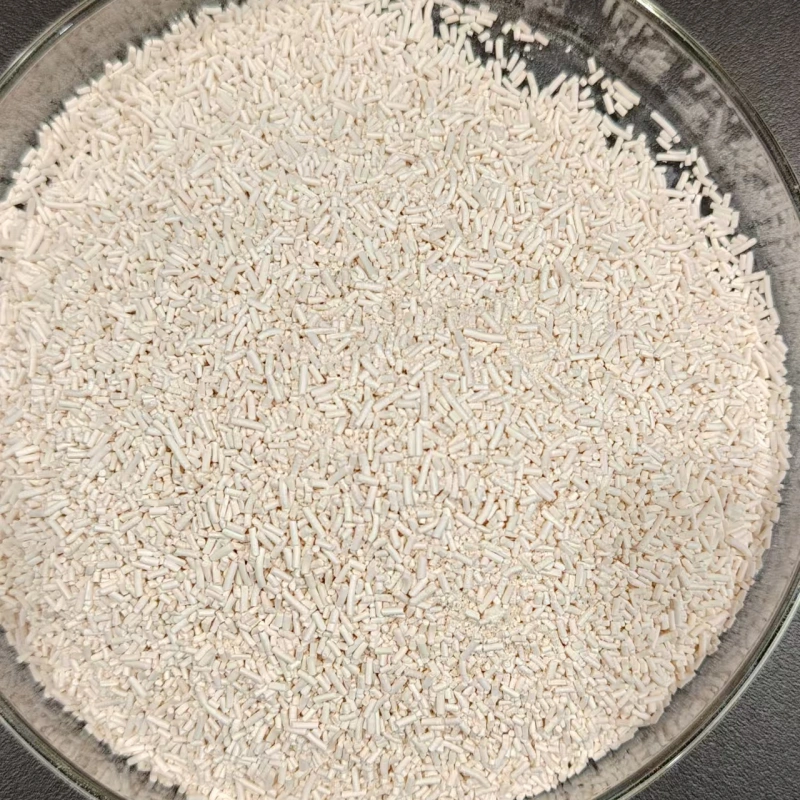
| Appearance | White crystalline powder or granules |
| Identification | Positive (based on specific tests) |
| Purity (HPLC) | ≥ 99% |
| Moisture Content | ≤ 0.2% |
| pH (1% solution) | 5.5 – 7.0 |
| Ash Content | ≤ 0.1% |
| Heavy Metals (Pb) | ≤ 10 ppm |
| Arsenic (As) | ≤ 2 ppm |
| Microbial Count | ≤ 1000 cfu/g |
| E. coli | Negative |
| Salmonella | Negative |
Application
Food & Beverage:
Erythritol is widely used in sugar-free and reduced-calorie products such as beverages, candies, chewing gum, cookies, and baked goods. It helps replace sugar in a wide range of applications, providing sweetness without the extra calories. It’s commonly found in diet sodas, energy drinks, sugar-free chocolates, and other sugar substitutes.
Pharmaceuticals:
Erythritol is used as an excipient in the formulation of pharmaceutical tablets and syrups, offering a low-calorie sweetening option for medicines intended for diabetic or weight-conscious patients.
Animal Feed:
It is used in animal feed as a palatability enhancer and to improve the overall nutritional profile of feeds intended for livestock.
Cosmetics:
Due to its moisturizing properties, erythritol is used in skincare and haircare products such as lotions, creams, and hair conditioners to help improve skin hydration and texture.
Usage
Food & Beverage:
Typically used at concentrations of 0.5% to 5% in food and beverage products, depending on the desired sweetness and formulation.
Pharmaceuticals:
Erythritol is used in varying dosages, typically 100 mg to several grams per day depending on the specific formulation and use case.
Animal Feed:
Inclusion rates typically range from 0.1% to 2%, depending on the type of animal feed and the specific nutritional needs.
Cosmetics:
Used at concentrations of 0.5% to 3% in topical formulations like creams, lotions, and haircare products.